KB17 – Karachi Biennale
2017
Curated by Amin Gulgee
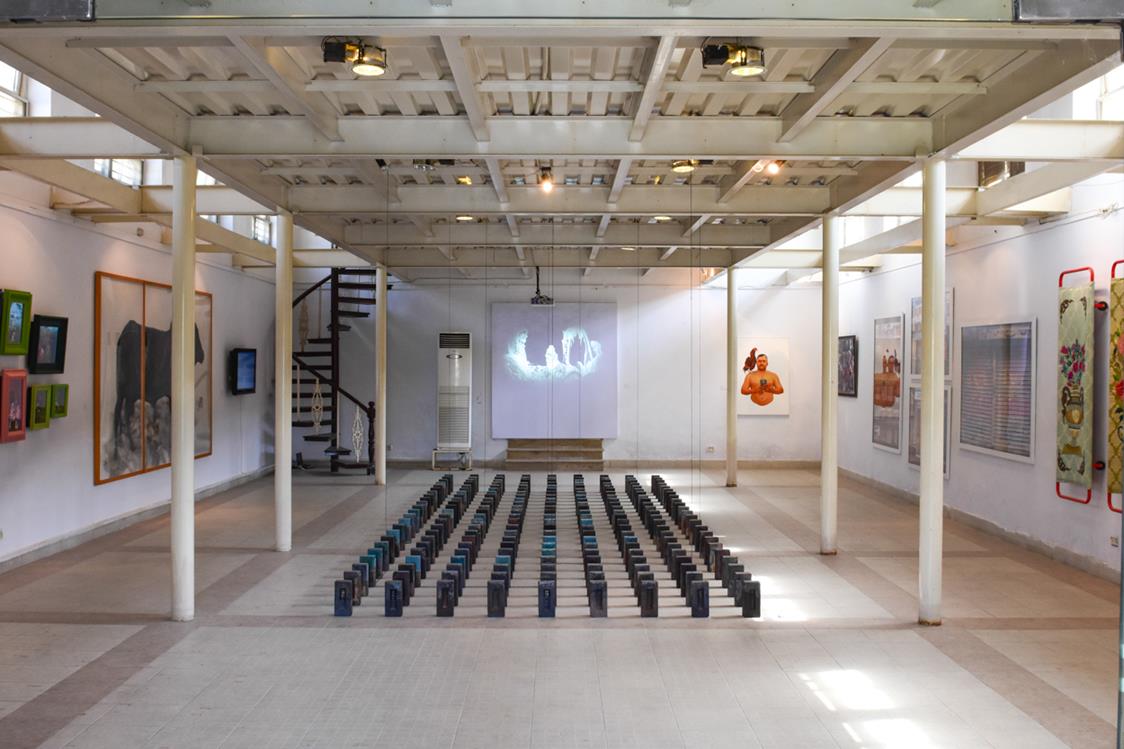
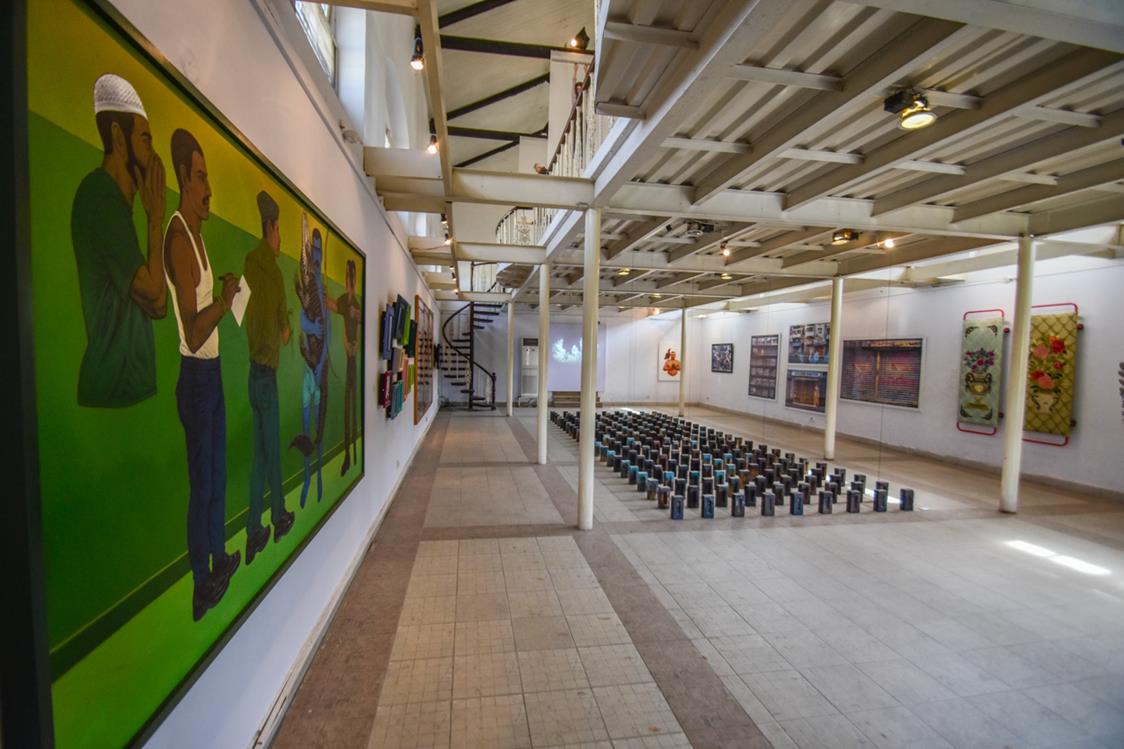
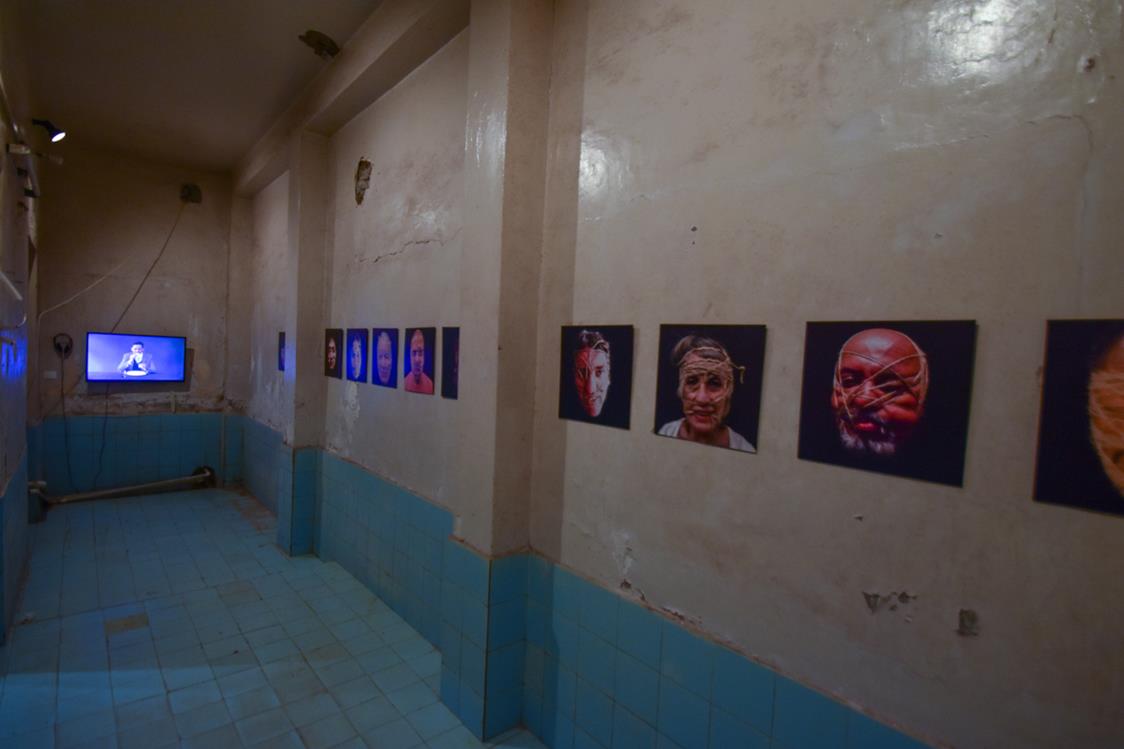
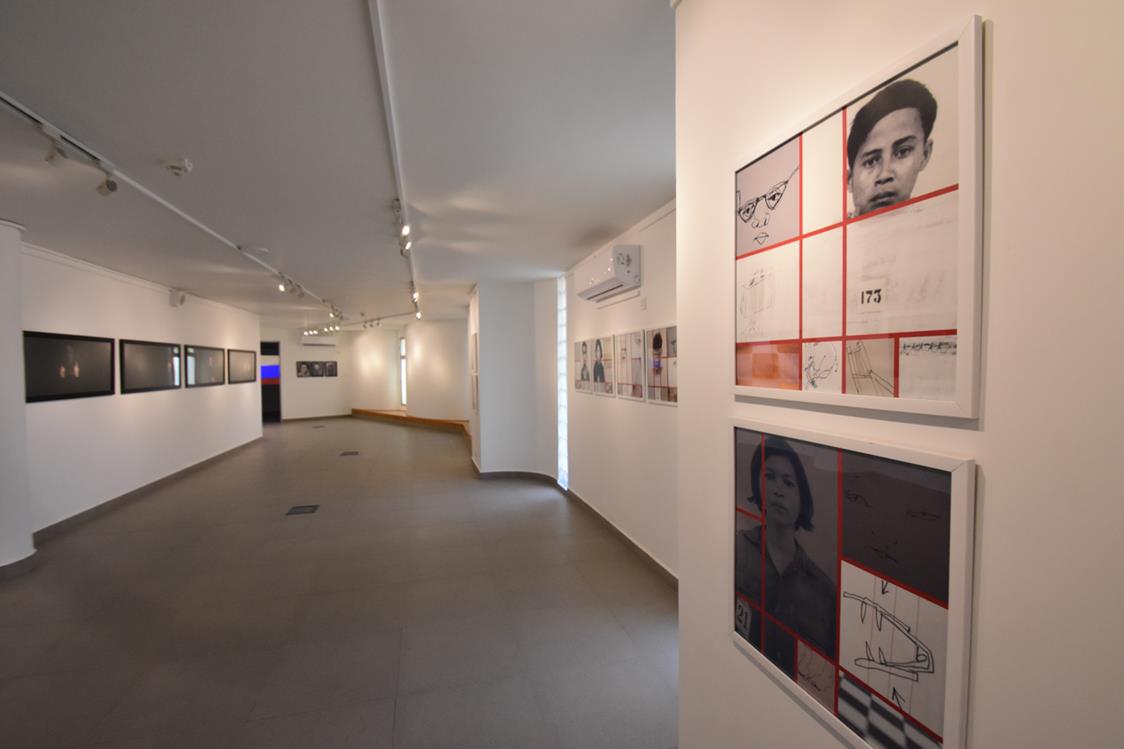
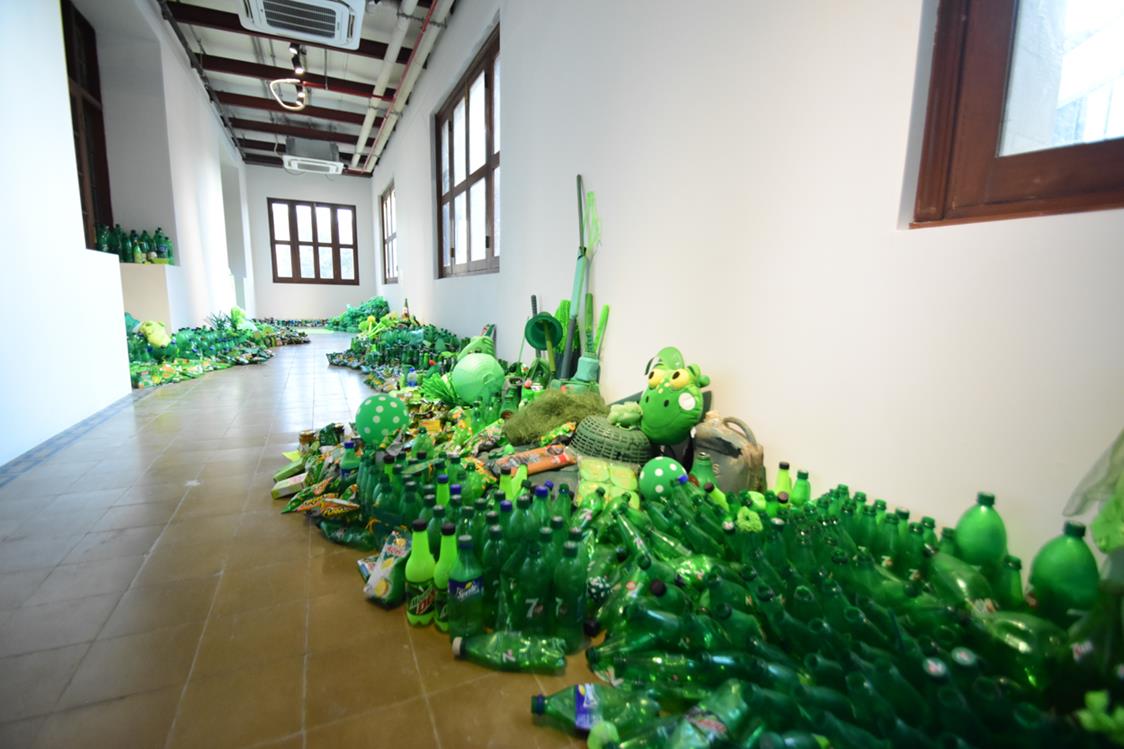
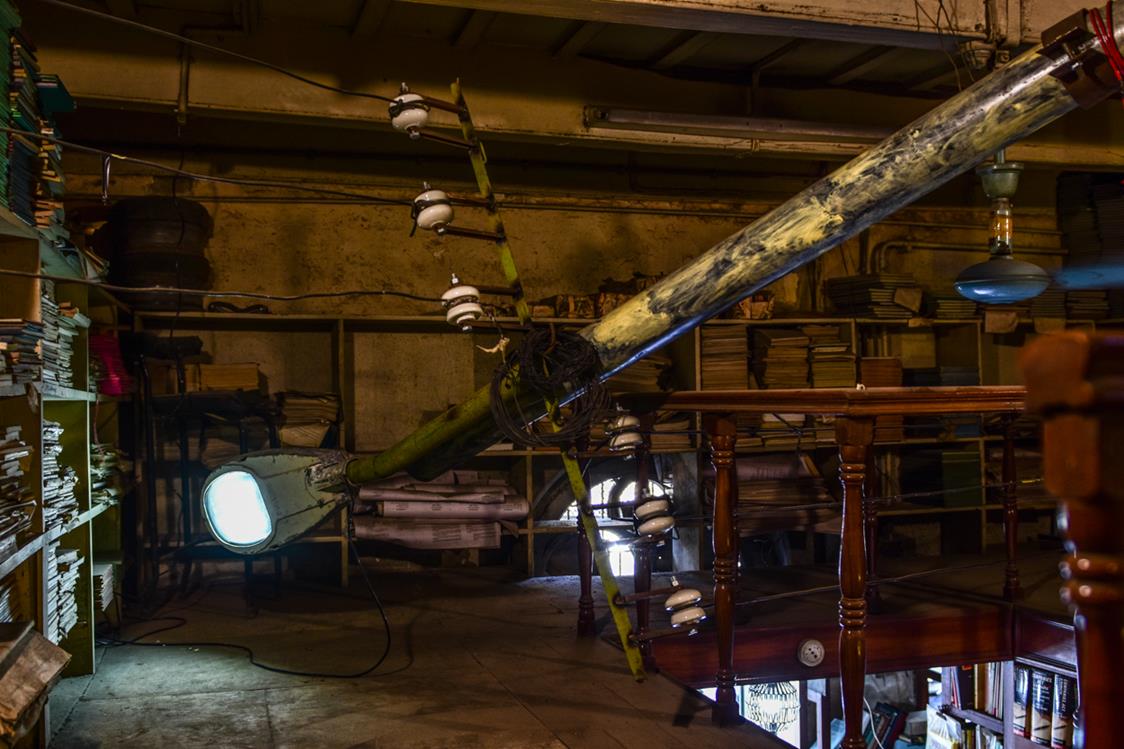
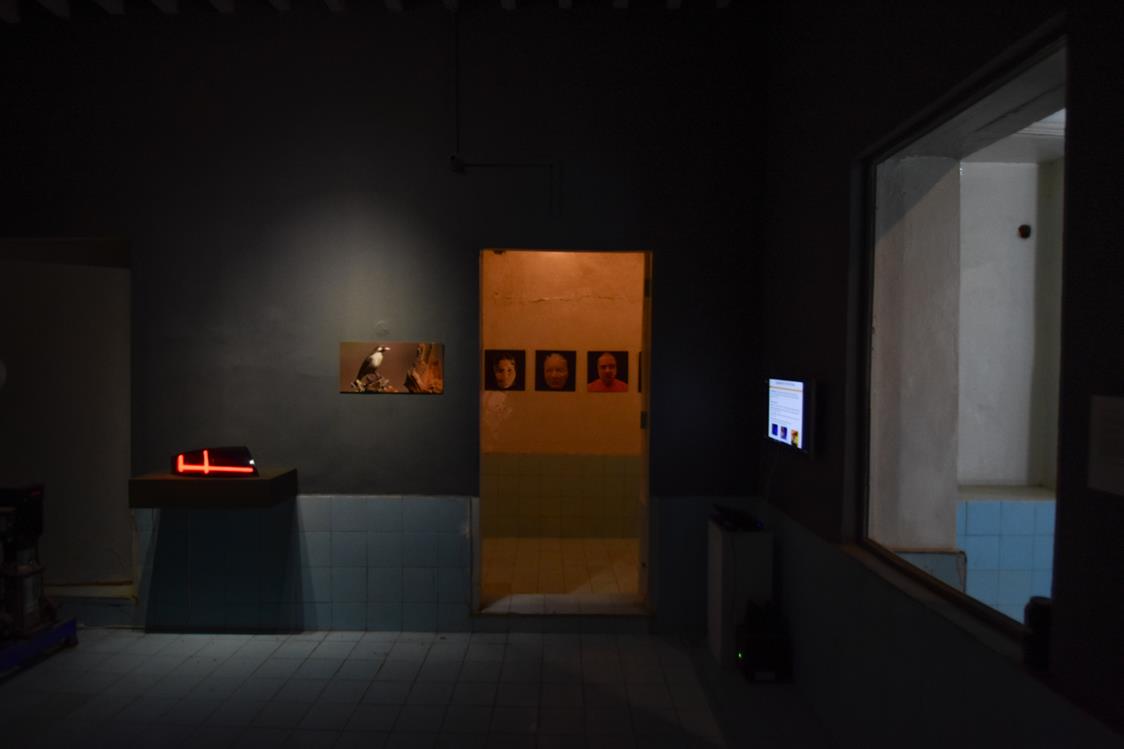
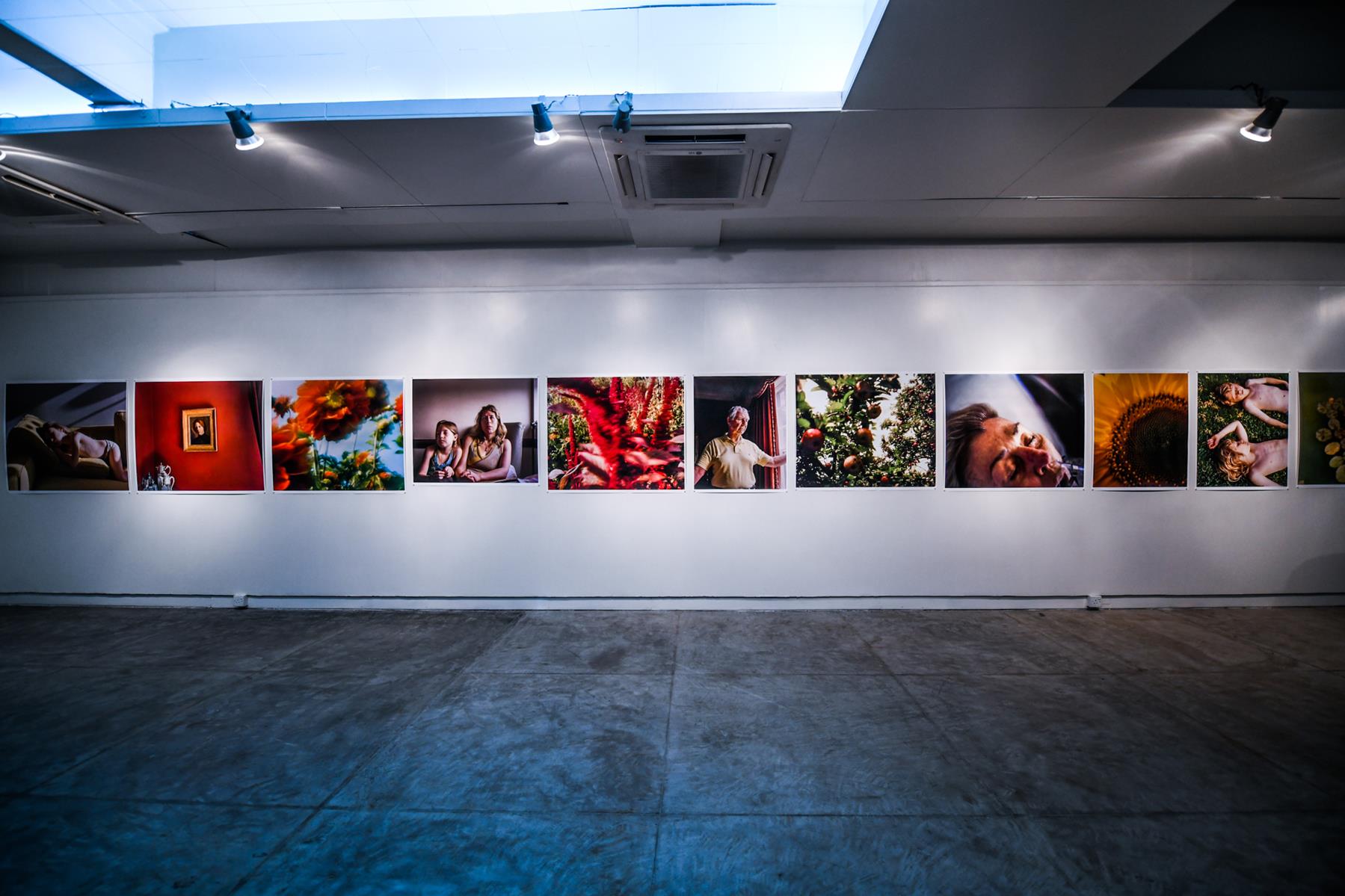
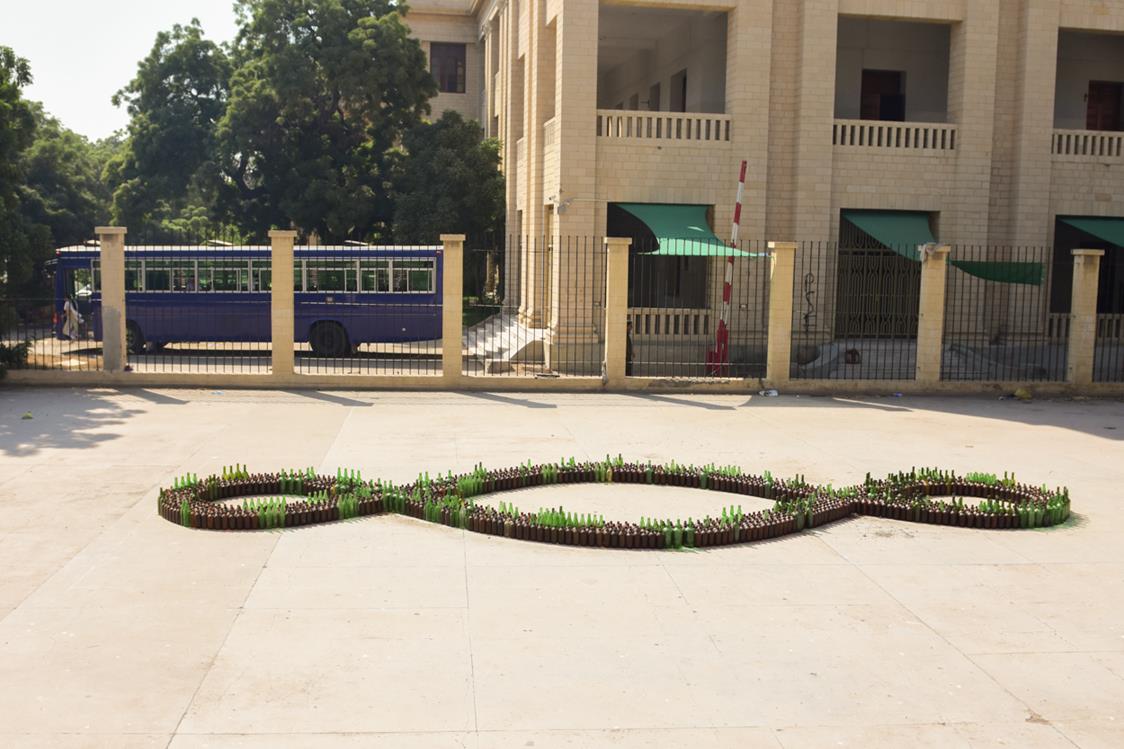
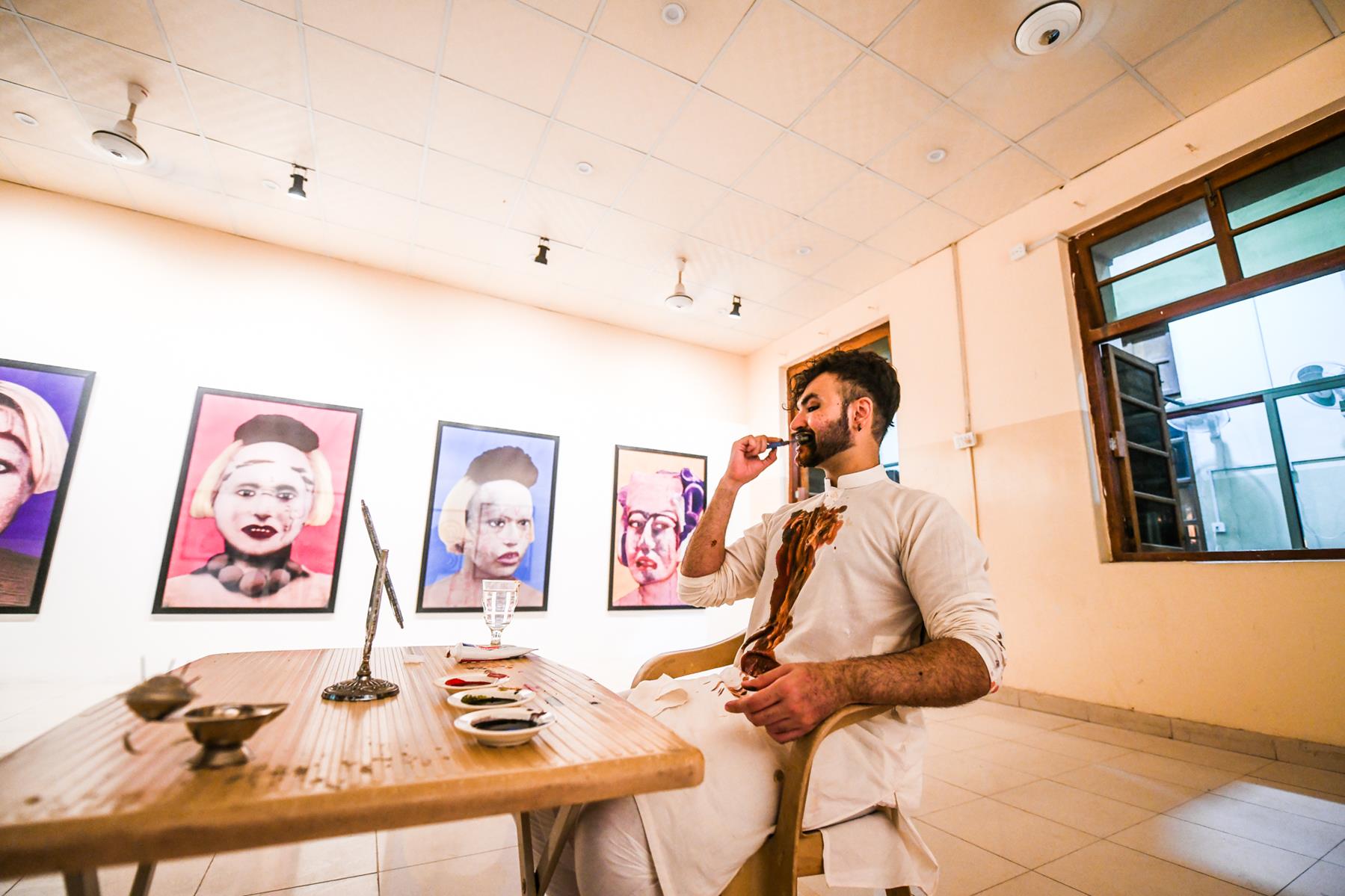
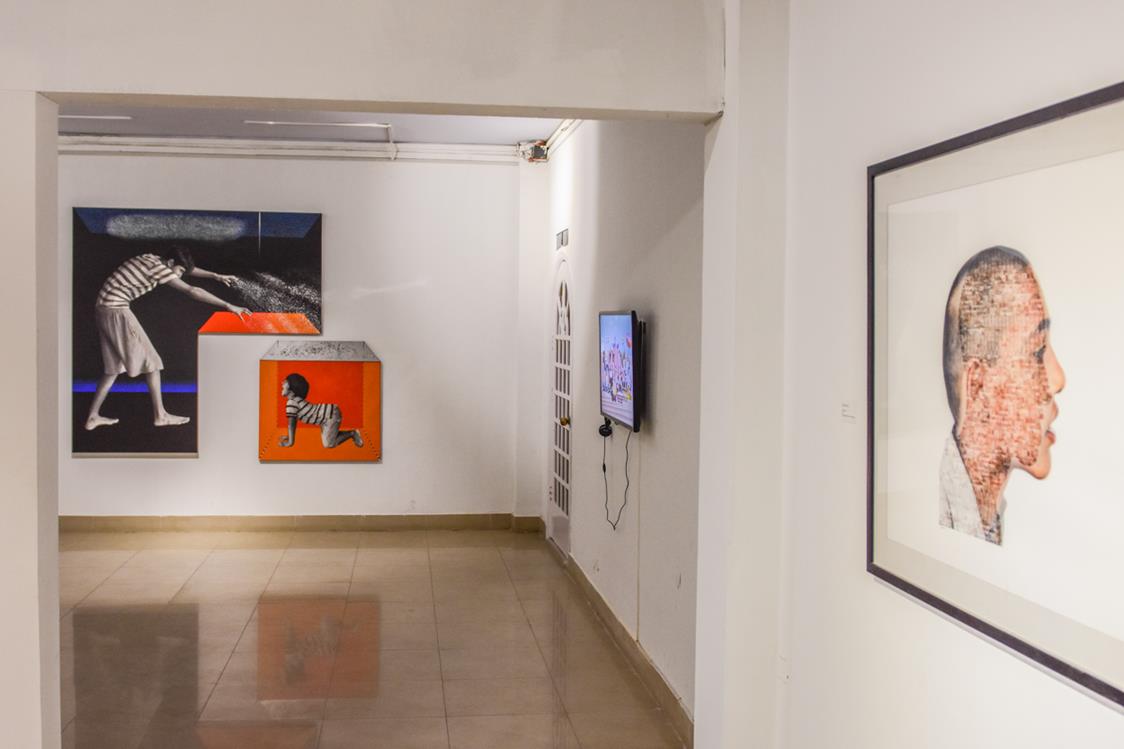
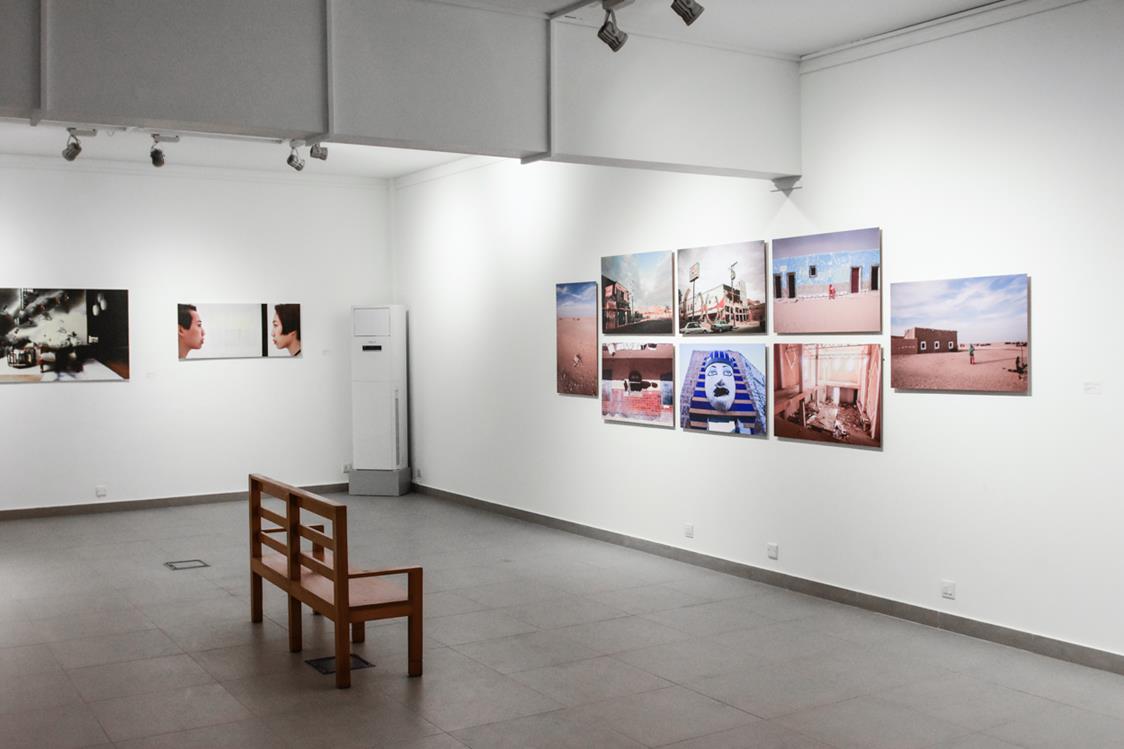
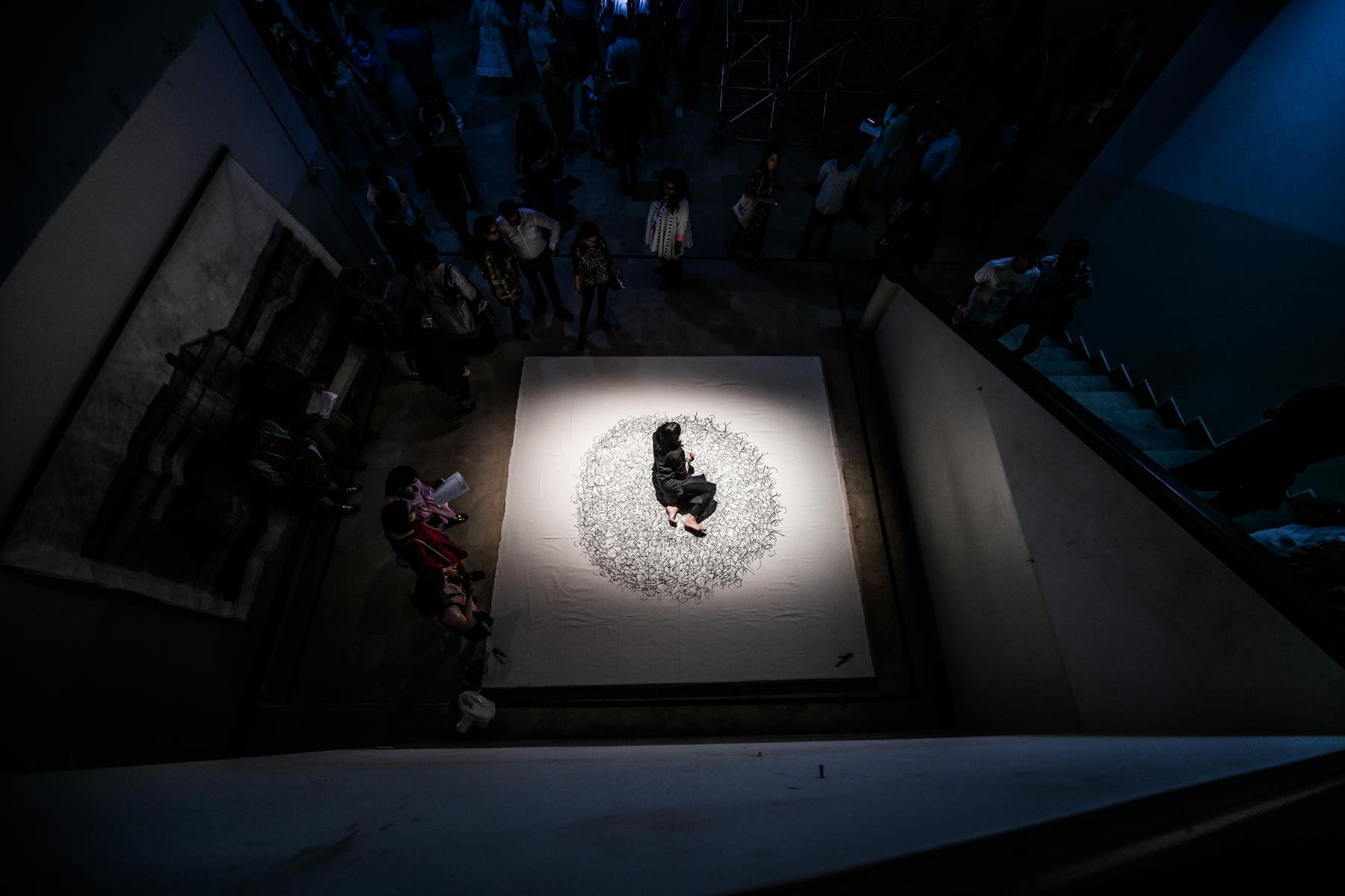
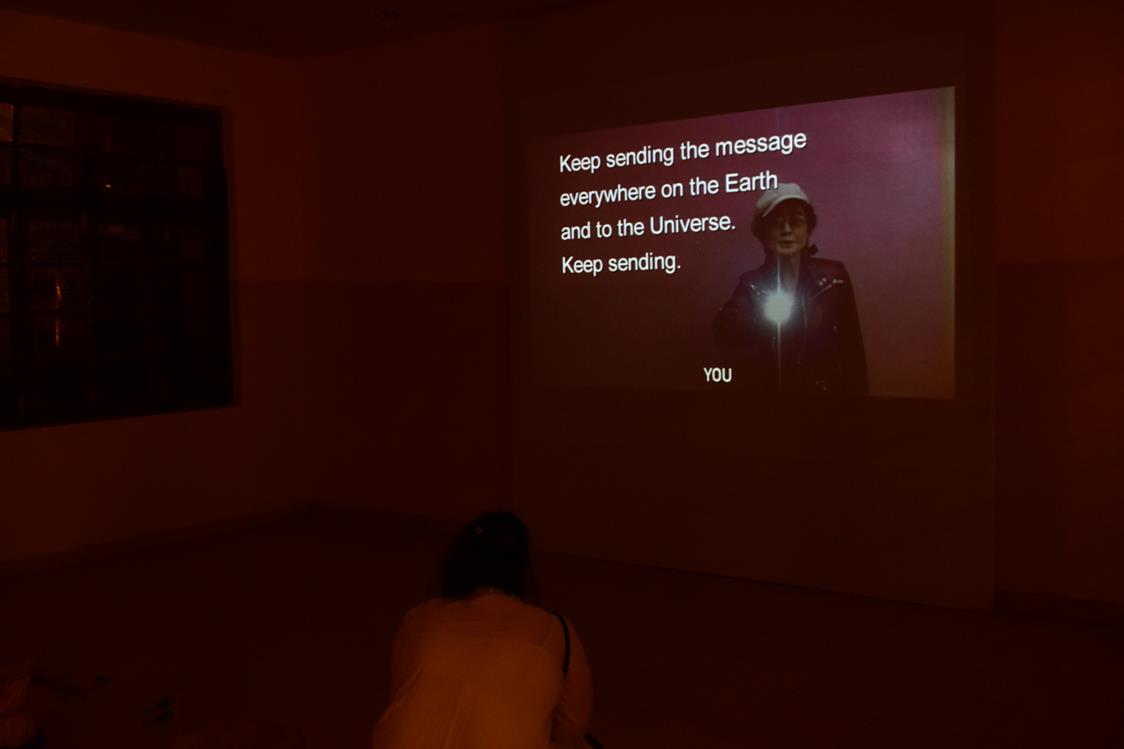
Amin was Chief Curator of the inaugural Karachi Biennale (KB17), Pakistan’s first international art biennial. The theme was “Witness.” His team included curator-at-large Zarmeene Shah; assistant curators Zeerak Ahmed, Humayun Memon, and Sara Pagganwala; and curatorial team member Adam Fahy-Majeed. Together they worked with the 182 artists they had selected for KB17 over a period of a year. Most of the artists were Pakistani, including Shahzia Sikander, Anwar Saeed, Adeela Suleman and Hamra Abbas. Sixty international artists were also chosen, including Michelangelo Pistoletto, Yoko Ono, ORLAN and Nadia Kaabi-Linke. Amin and his team had 12 venues organized into four clusters scattered throughout the city in which to install the work. Due to the immense scale of Karachi, and the daunting prospect of traversing it, each venue was treated as a microcosm of the whole: self-contained and yet connected. Although moods and connections varied from venue to venue according to the works that were placed there, the thematic arc of KB17 remained consistent throughout. Challenging works were presented in all 12 venues, including those located in areas unaccustomed to displays of art. The curatorial team also developed a website (www.kbcuartorial.com), which went live the night of the opening to guide the viewer though the sites. This was an expression of their belief that KB17 should be accessible to all and free of cost. (None of the 12 venues charged an entrance free; none of the curators received a fee.) The works selected and commissioned for KB17 bore witness in many ways. Some artists witnessed their own journeys, their memories of family and childhood, experiences of loss, their connections to the sacred, to tradition, and to their bodies and selves. For others, Karachi itself became a point of departure that led them to witness the trauma of violence, as well as the challenges presented by urban decay, the beleaguered intellectual space, barriers, migration, change, and territory. Artists also witnessed issues of gender and sexuality, capitalism and global commerce, legacies of colonialism and class divides.