The 70s: Pakistan’s Radioactive Decade
2016
Karachi
Curated by Amin Gulgee
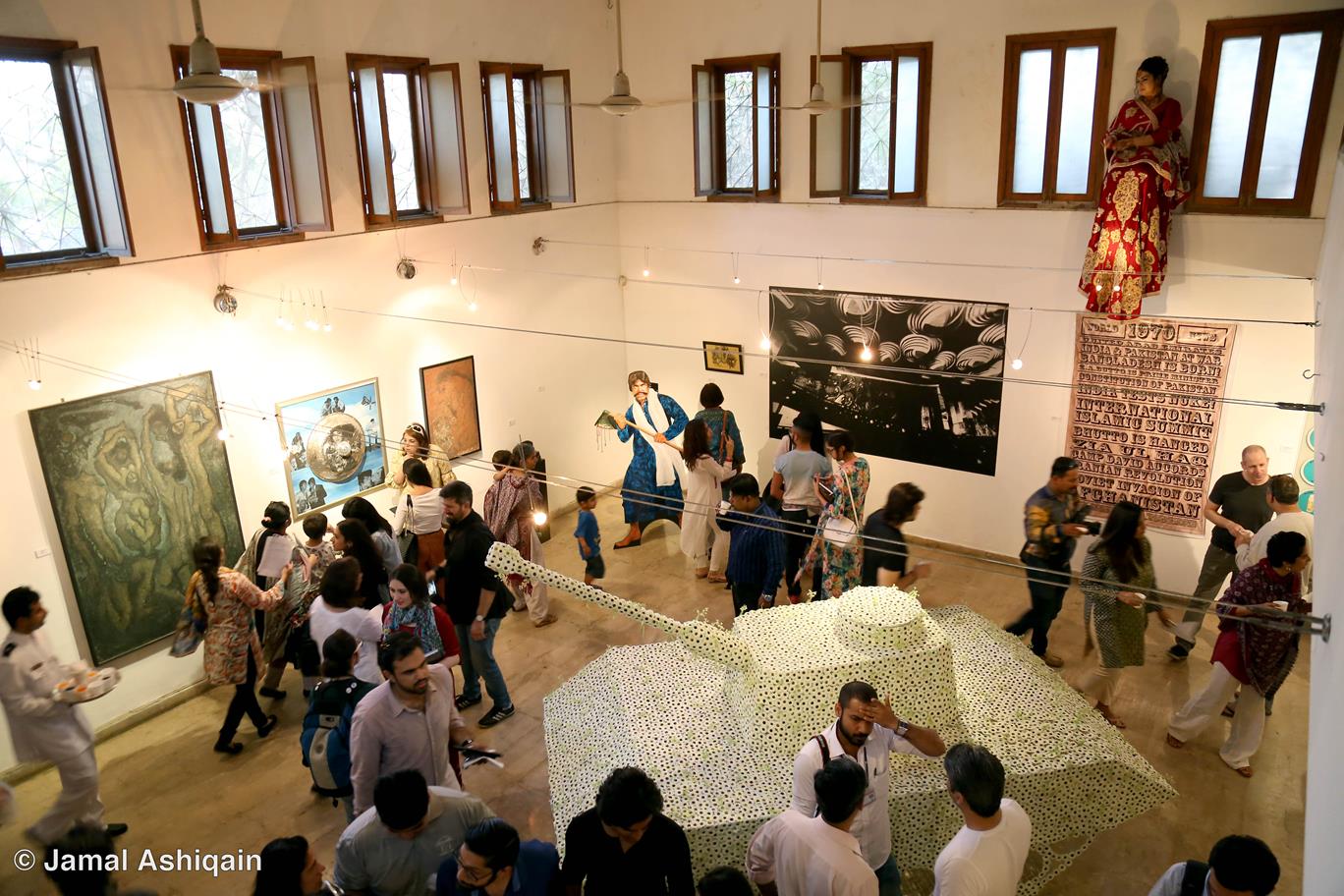
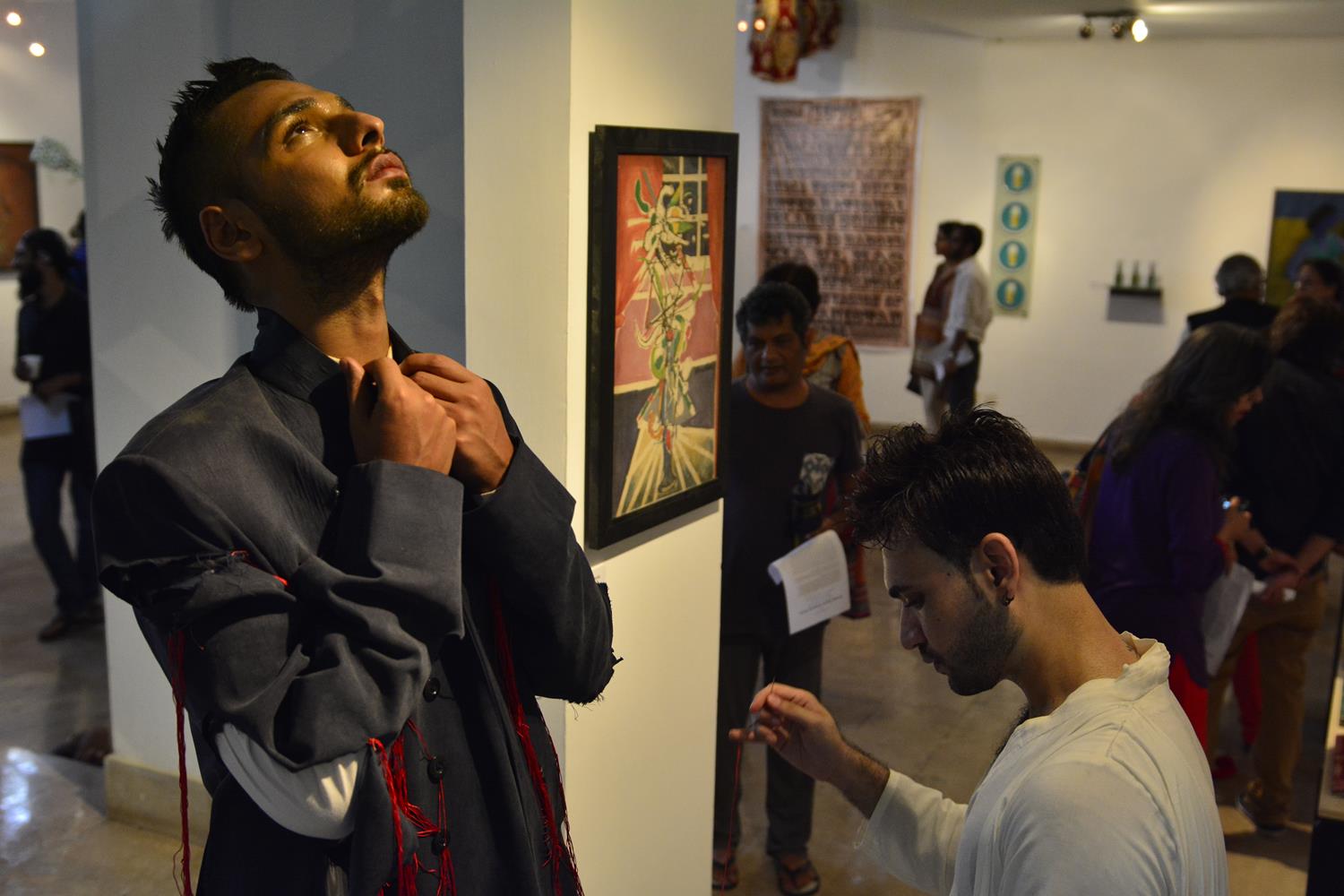
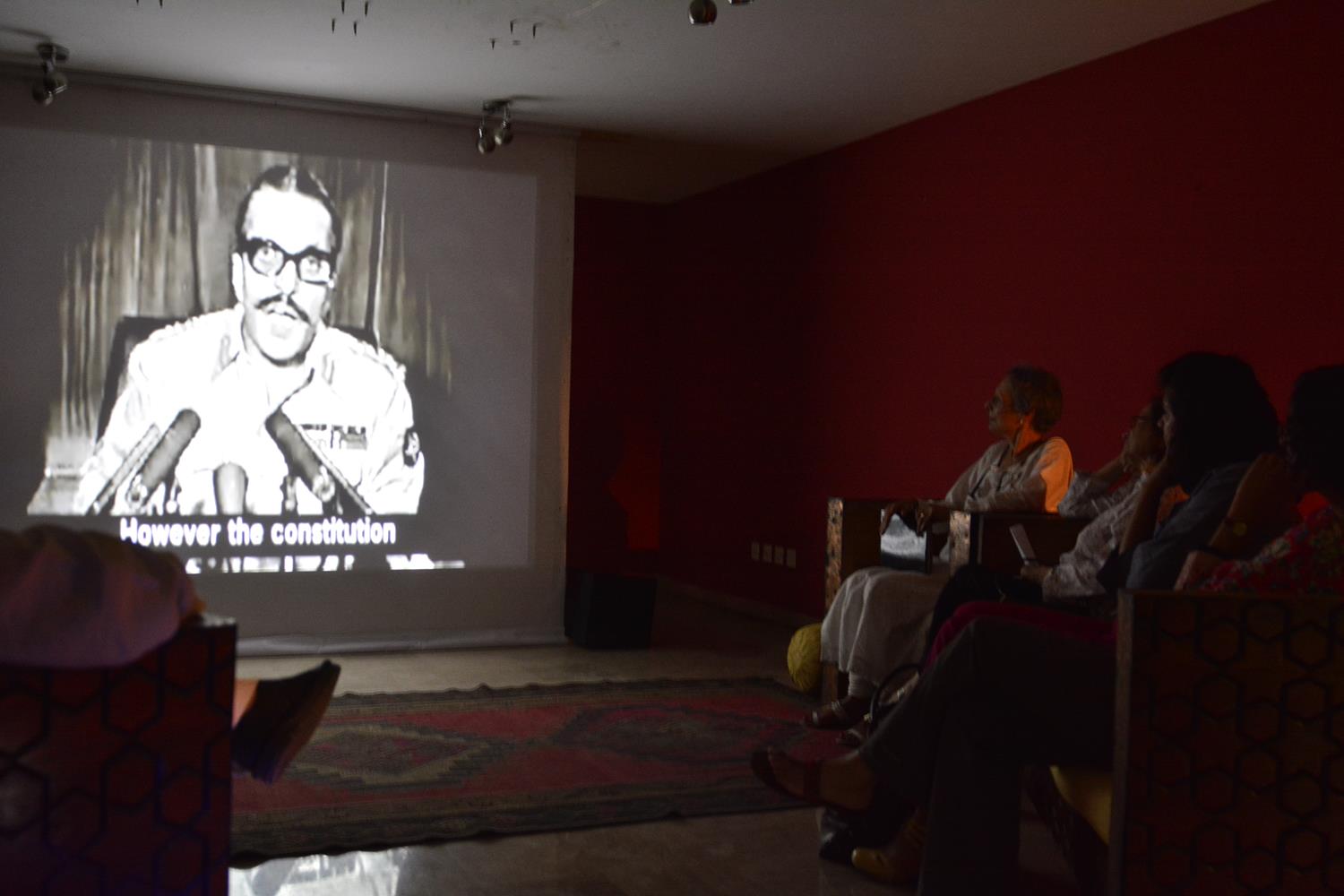
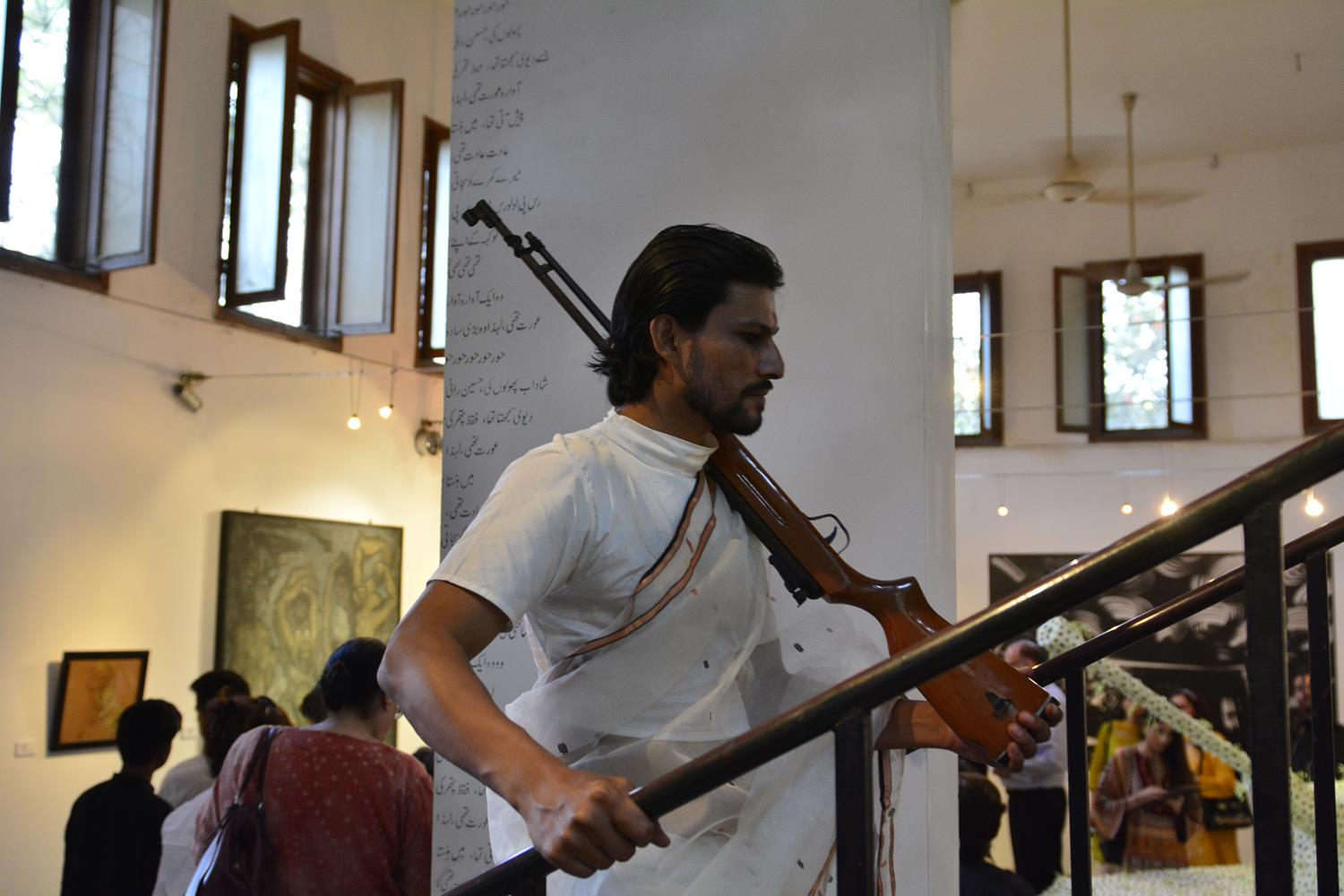
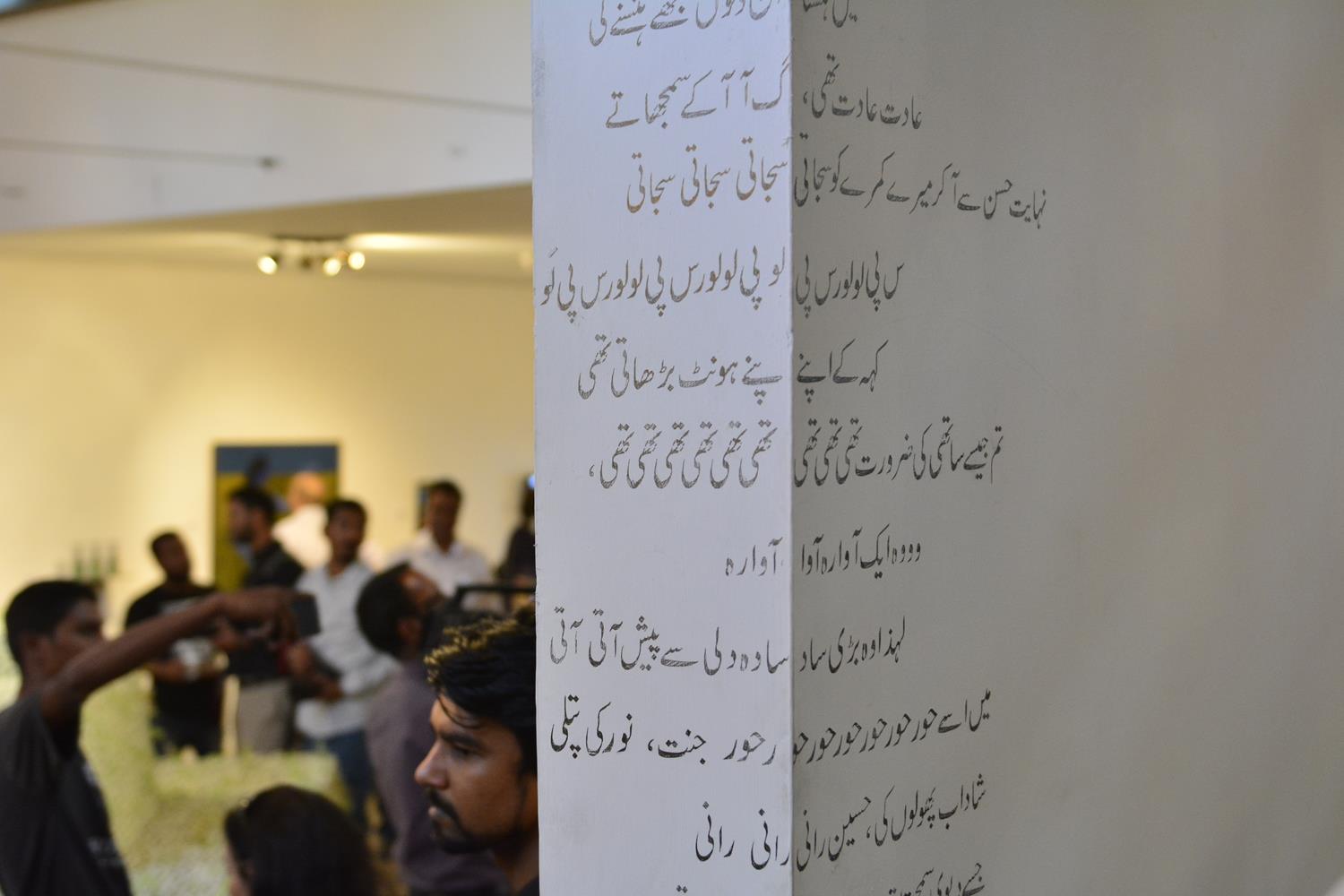
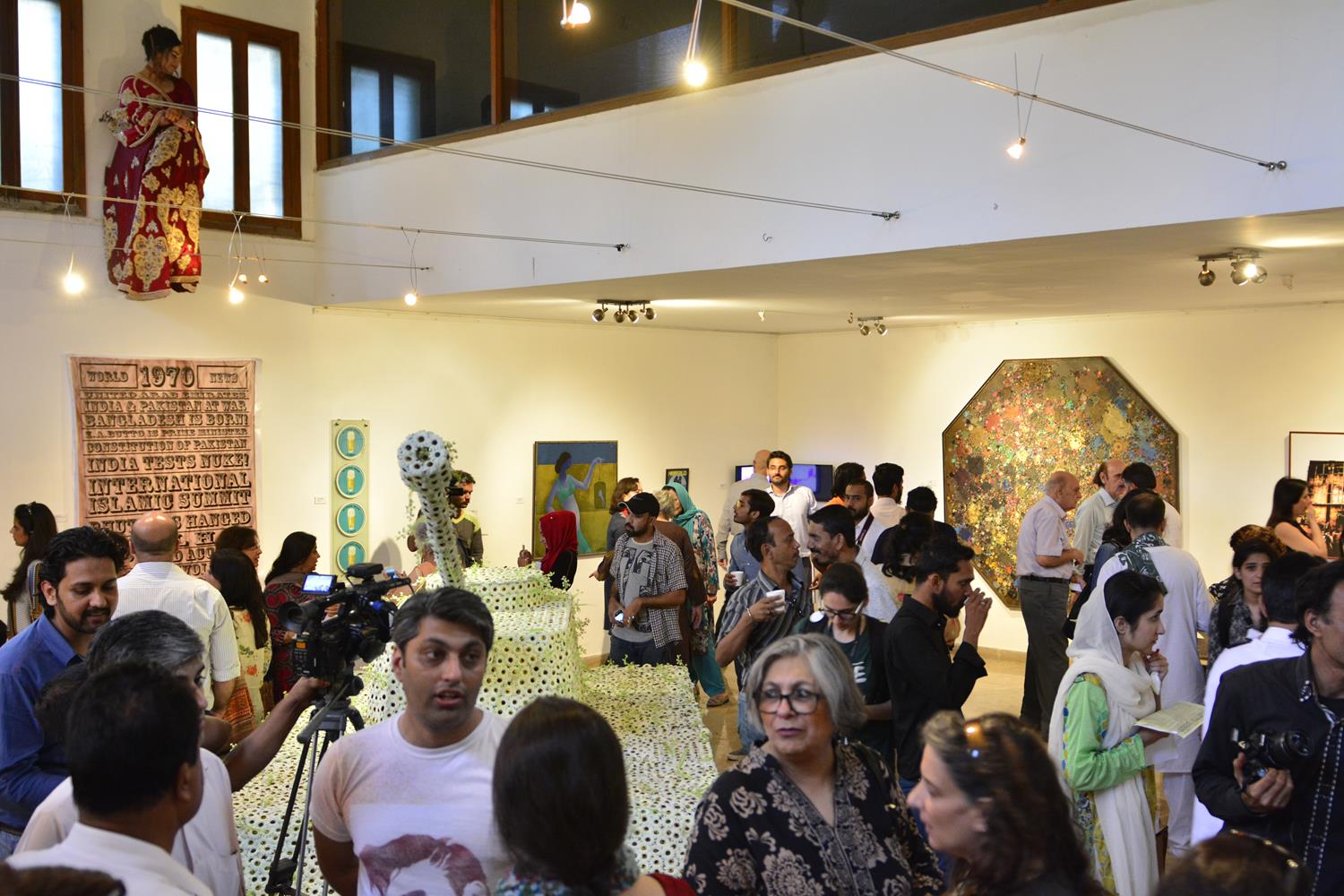
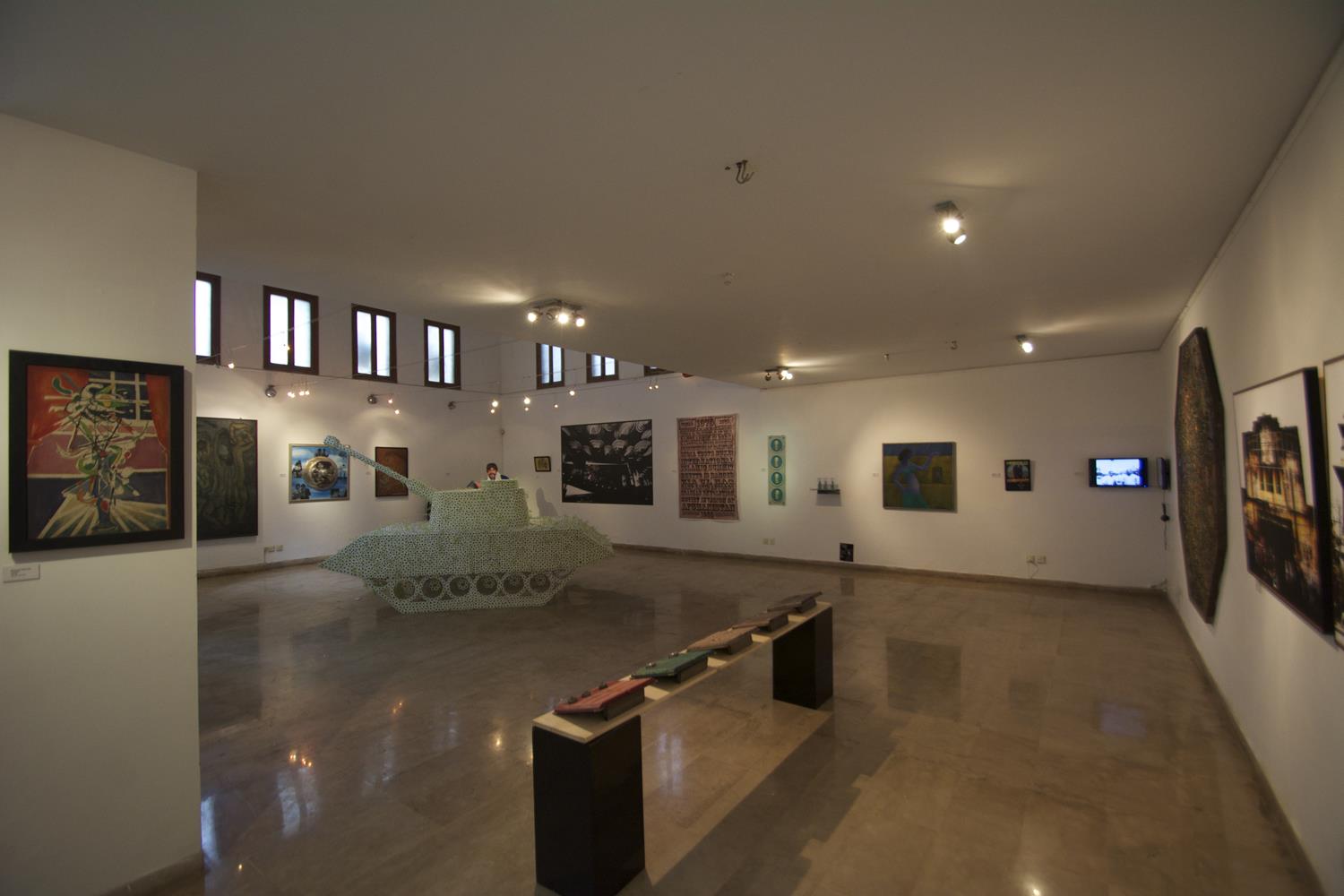
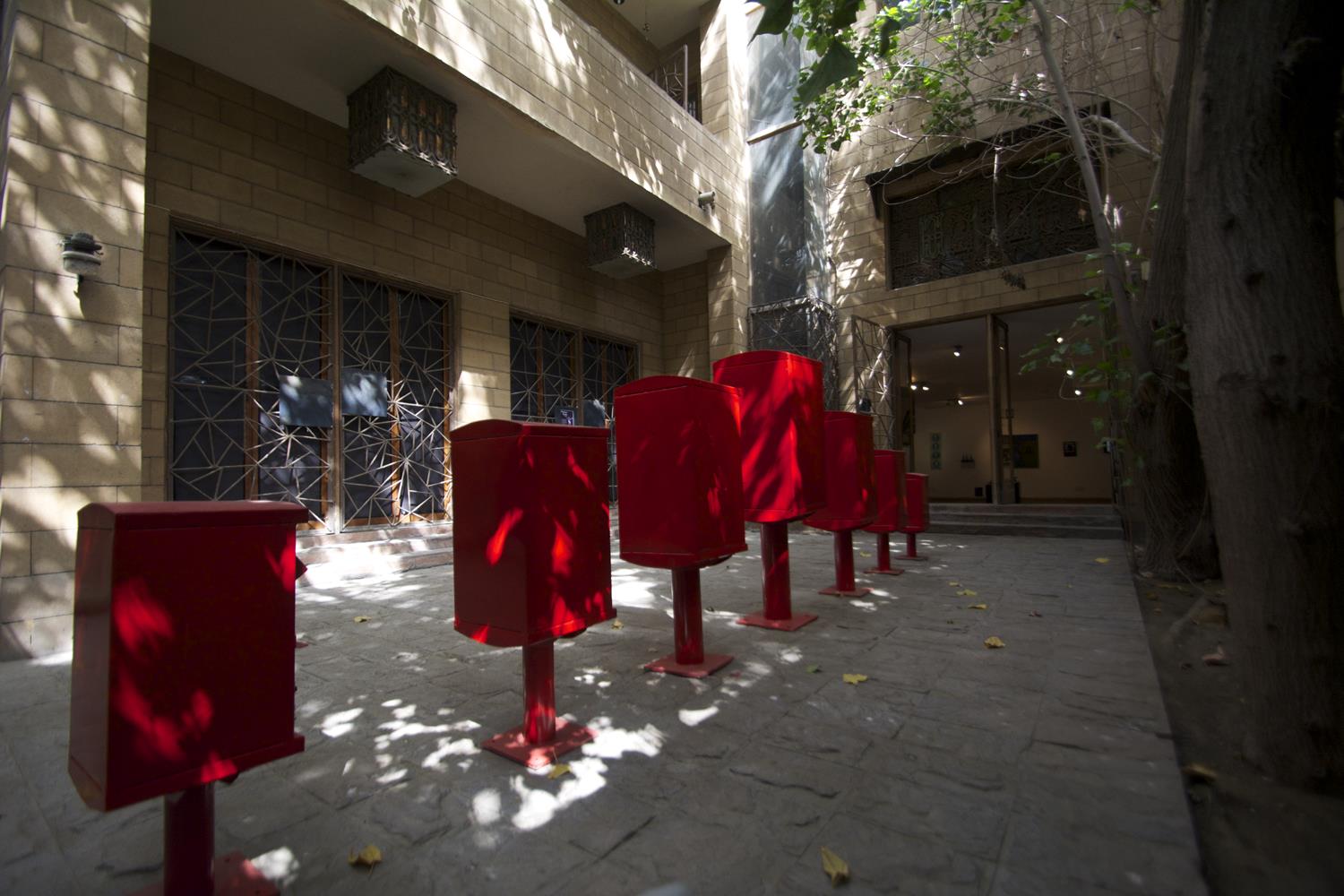
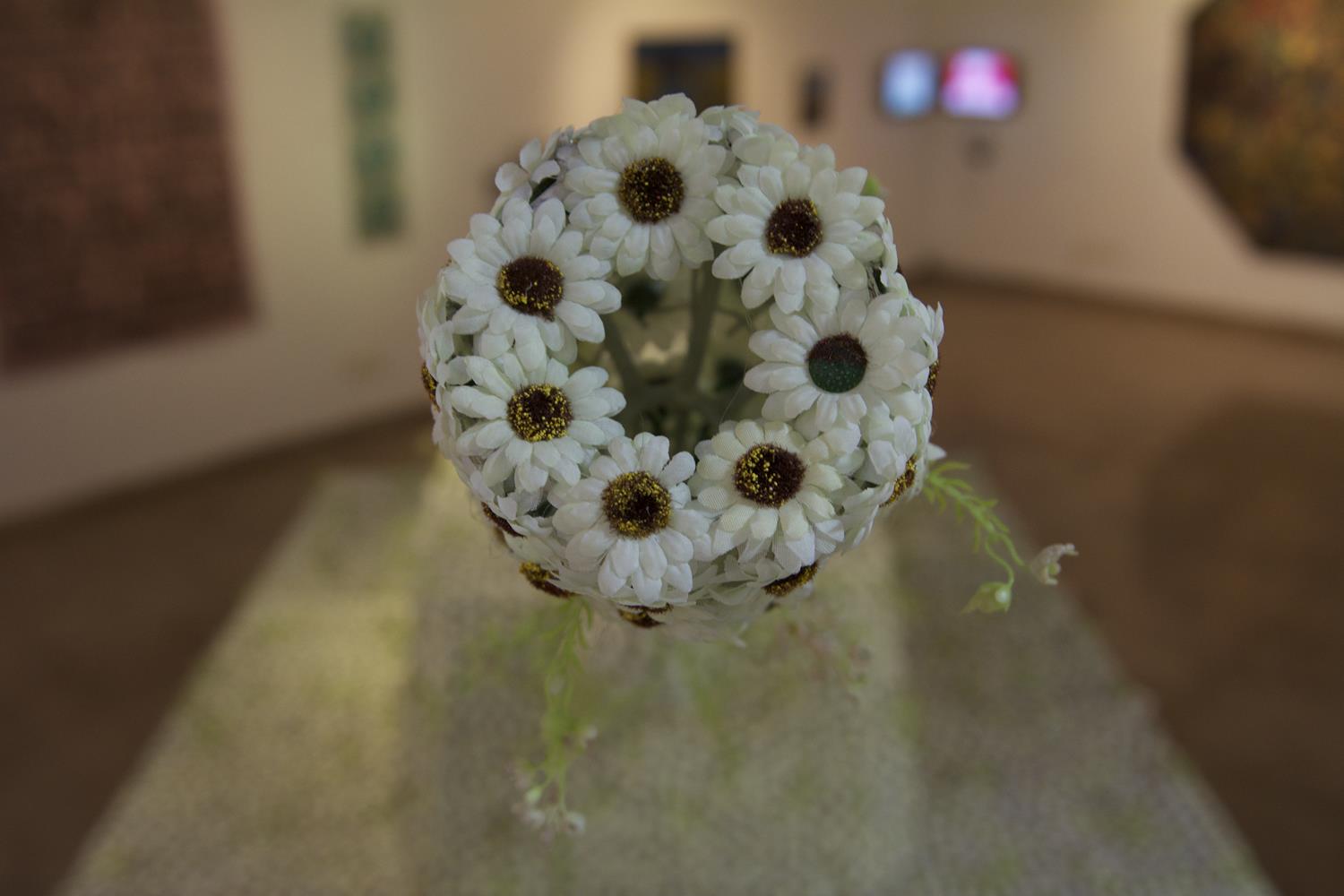
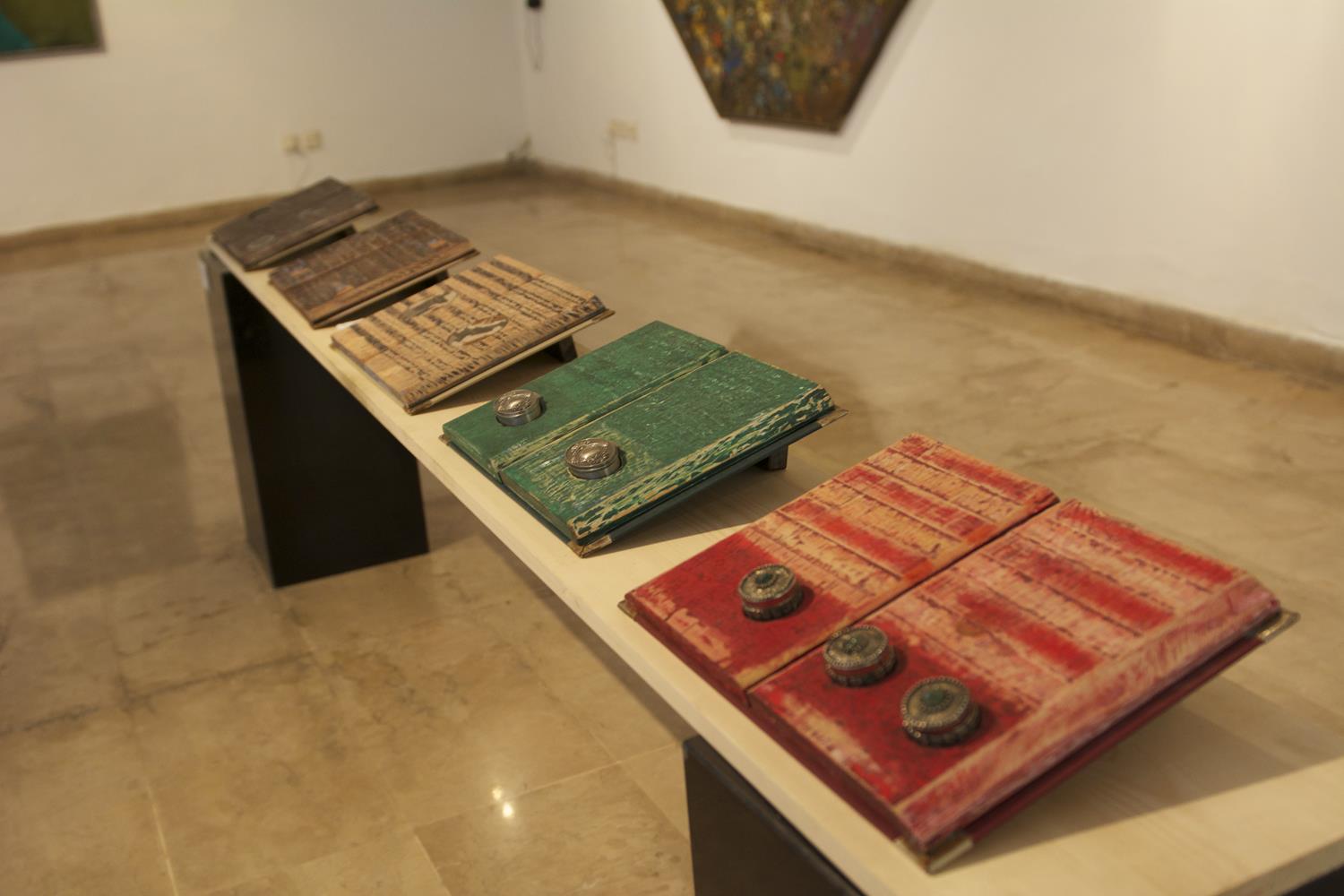
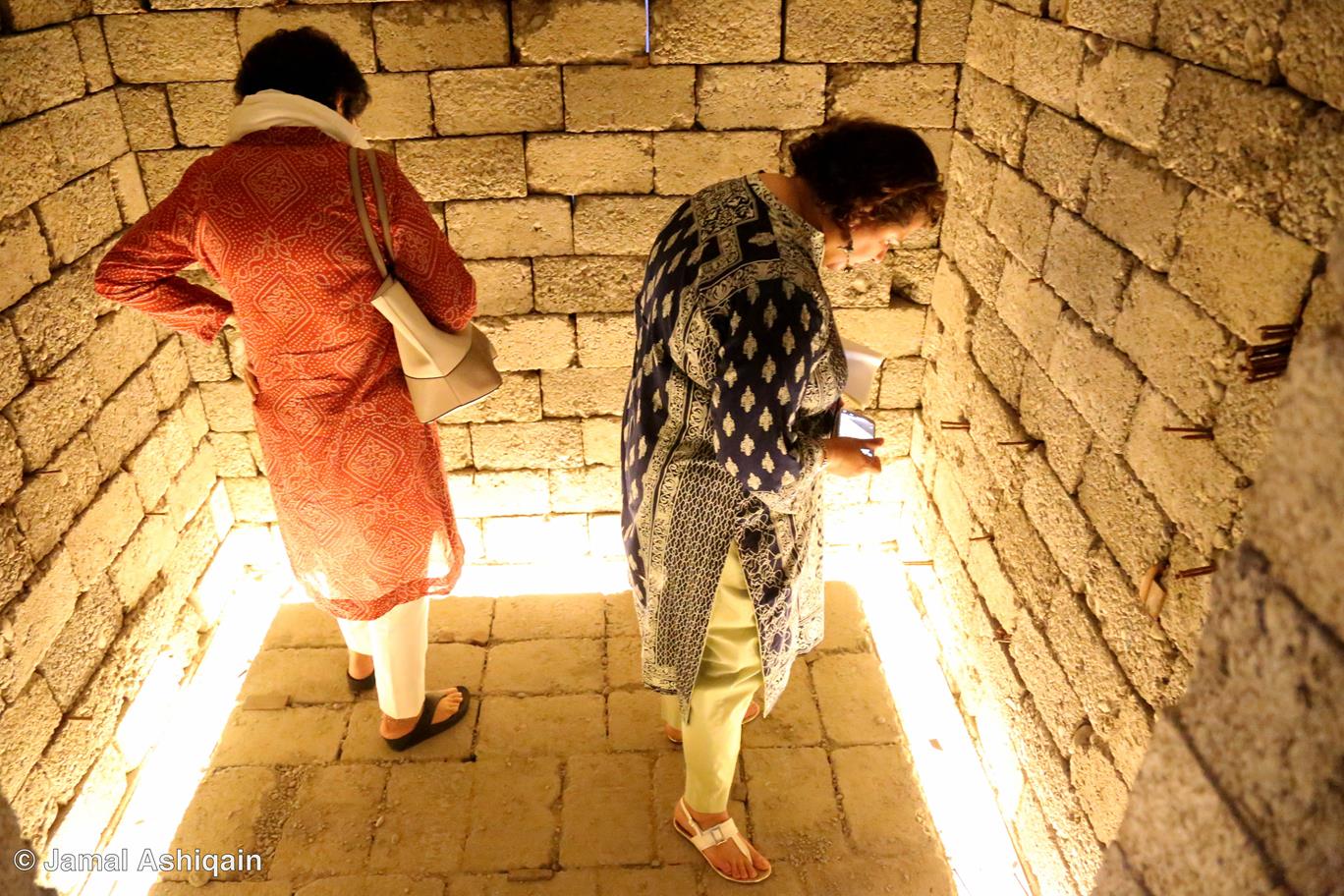
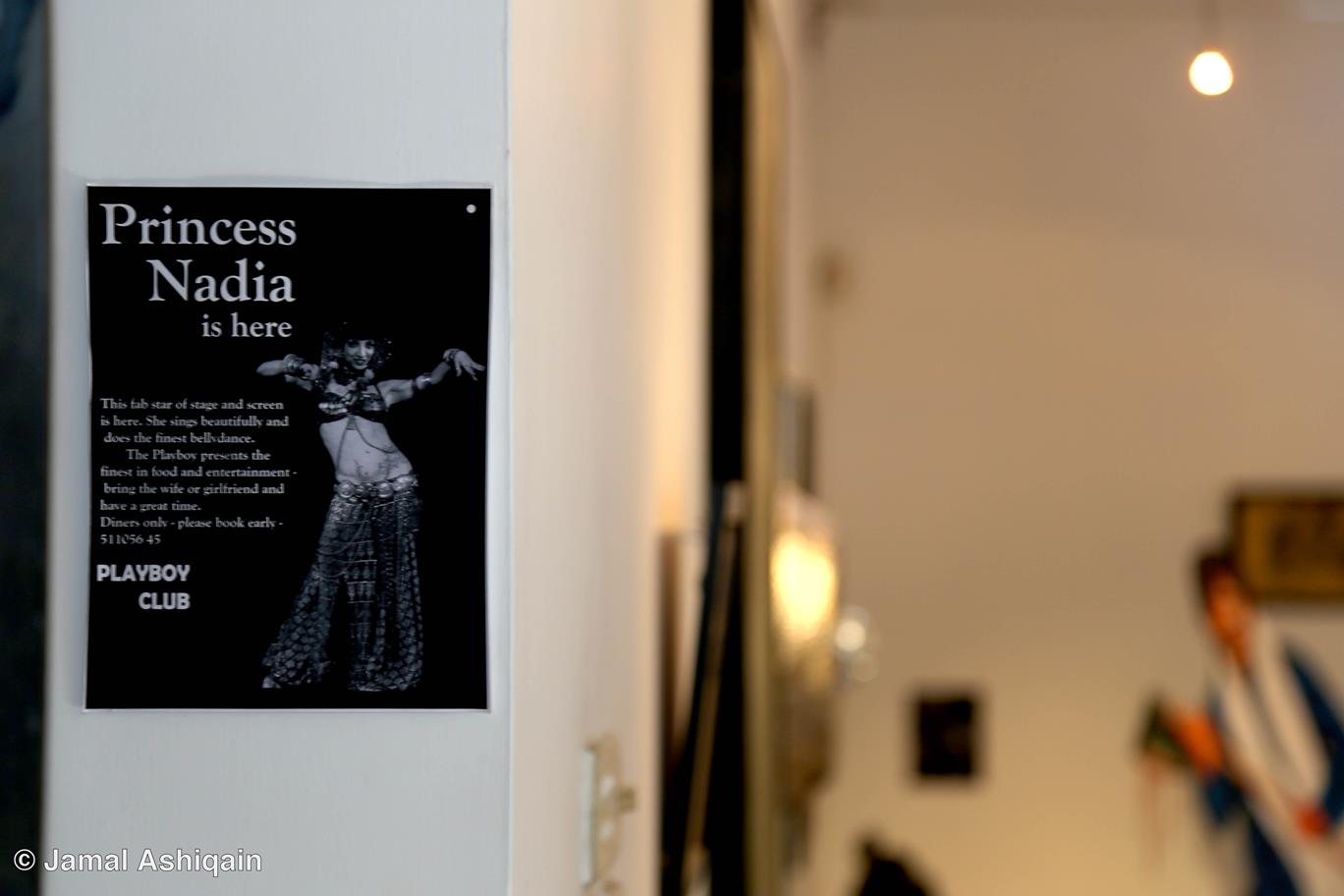
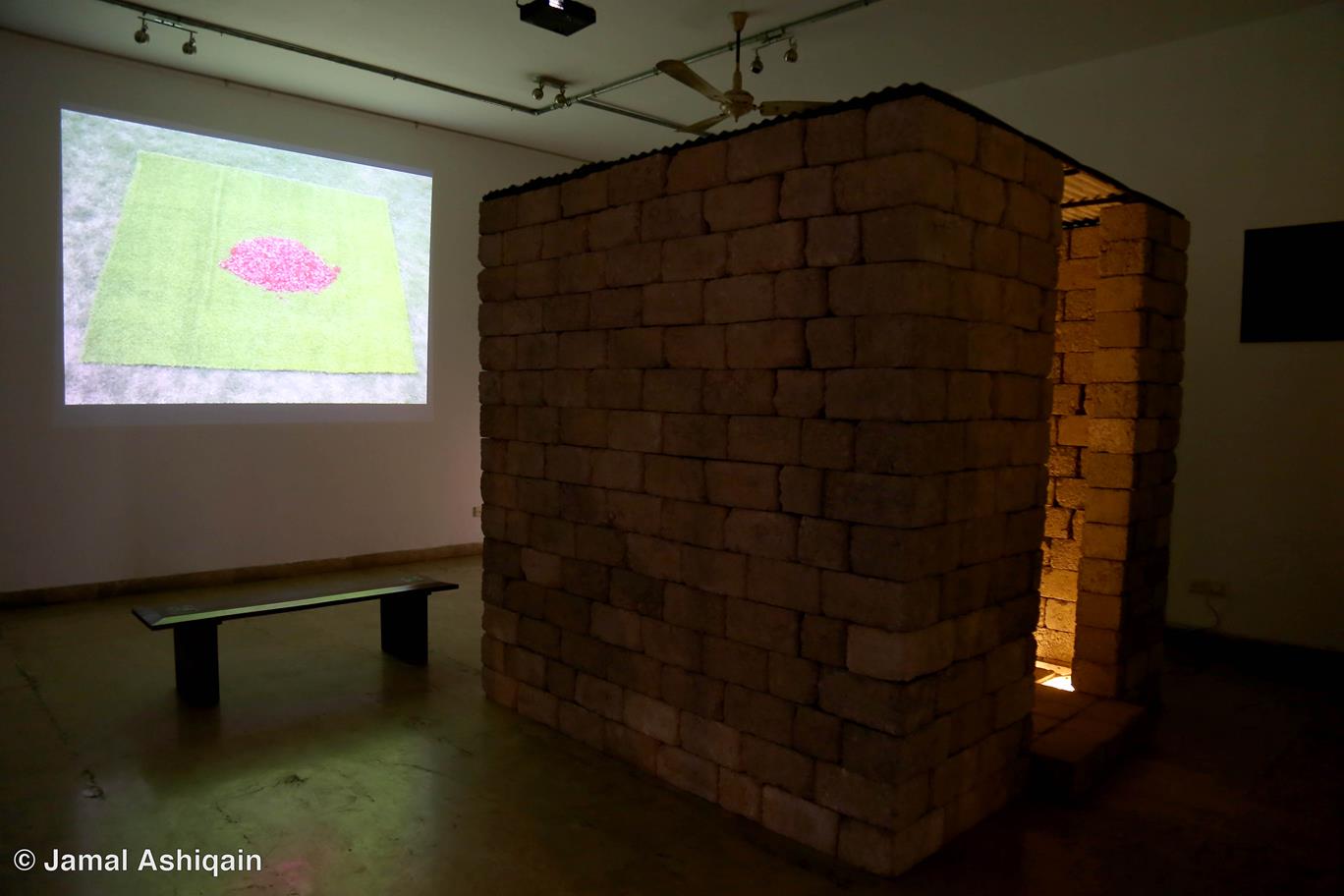
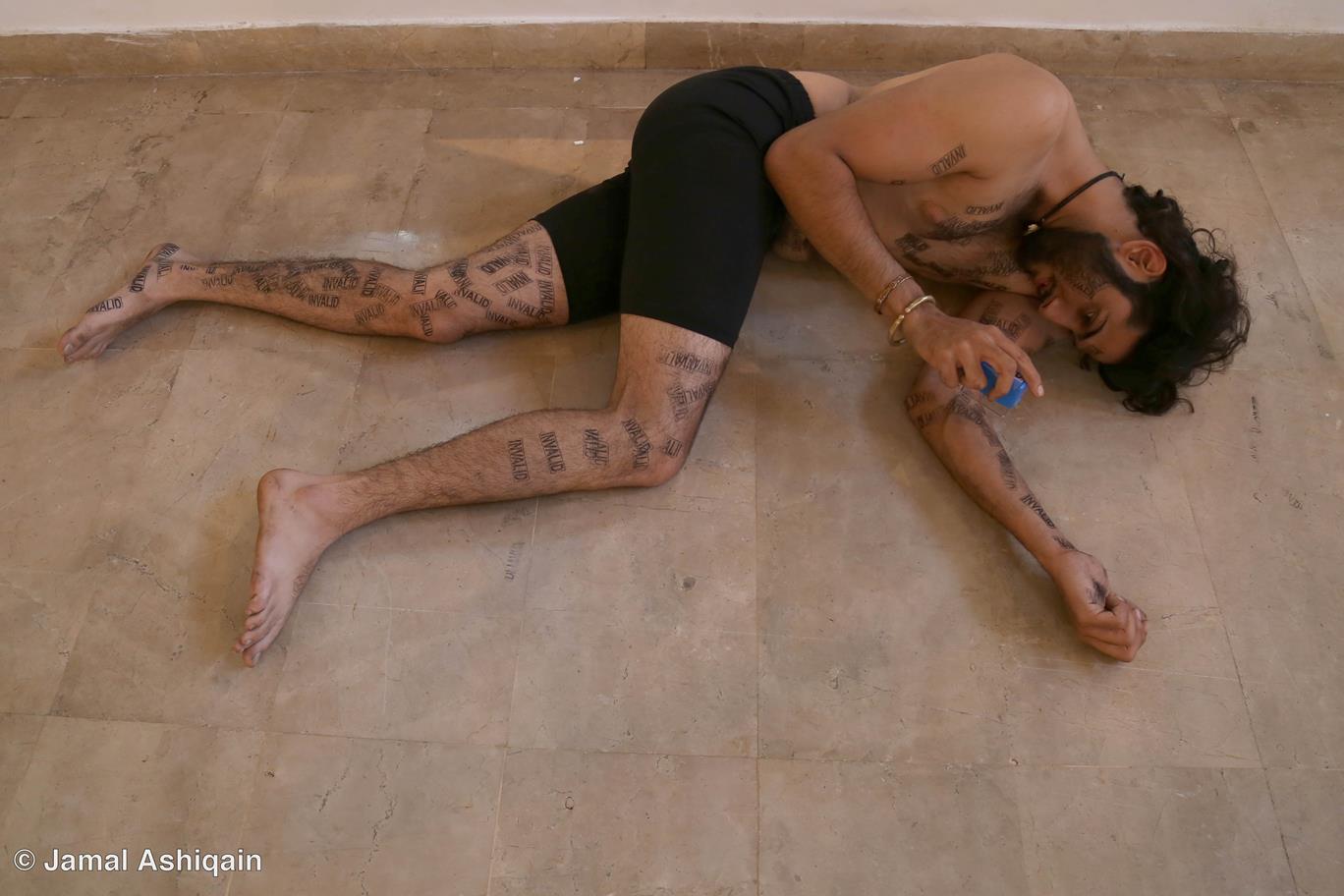
Amin and art historian Niilofur Farrukh had talked for years about organizing an exhibition on the 1970s in Pakistan at the Amin Gulgee Gallery. The tumultuous decade began with the bloody secession of Bangladesh in 1971 and ended with the religiously conservative rule of General Zia-ul-Haq, who overthrew the democratically elected leftist Prime Minister Zulfikar Ali Bhutto in 1977 and subsequently hanged him. For a brief few years between these tragic events, a fleeting spring of hope unleased an unprecedented outpouring of creative expression in the country. This was a period of great Pakistani television, memorable movies, emerging musical trends, flourishing dance, and revolutionary fashion. In 2015, Amin and Niilofur resolved to go forward with the project and gave it the title The 70s: Pakistan’s Radioactive Decade, alluding not only to the nuclear ambitions of the country, but also to memories of the 1970s that remain embedded in the national psyche like the afterlife of a radioactive object. Over 50 artists agreed to participate. Some had lived the times; others knew them only through the anecdotes of their parents and grandparents. Including painting, drawing, photography, sculpture, video, installation, sound and performance, this was a cross-generational meditation on the decade. Paintings and drawings by the modernists Gulgee, Sadequain, Ahmed Pervez, Bashir Mirza and Jamil Naqsh, all of whom were productive at the time, were juxtaposed with contemporary interpretations of the period. (Interestingly, the 1971 war proved to be of particular concern to artists in their 20s, who grew up during the US-led war on terror.) The exhibition was followed by the book Pakistan’s Radioactive Decade: An Informal Cultural History of the 1970s, which was edited by the two curators along with John McCarry. Published by Oxford University Press in 2019, it included essays as well as Q and A’s by over 50 authors that explored the decade’s visual arts, architecture, theater, dance, nightlife, television, advertising, fashion, music, film, journalism and literature. By relying heavily on firsthand accounts, the editors hoped to capture the voices, and dreams, of an extraordinary but vanishing generation.